Wednesday, March 31, 2010

Happy Due Date to me!

So today is my due date - I'm officially 40 weeks pregnant today (don't listen to my Dr's who have me as 3/27/10 - they're wrong!!!). In the spirit of that and the lack of actual pregnancy information in my blog despite my best intentions to capture that, I wanted to talk a little about some green choices you can make during pregnancy and shortly thereafter.

Natural/Med-Free Birth:
So when I first became pregnant and thought about delivery, I originally thought that the epidural and medicated process sounded fine - everybody was doing it right (are we lemmings here people? I thought we were human...but that's a story for another day), but then thankfully someone enlightened me and turned me onto this wonderful documentary called "The Business of Being Born." It was eye opening for sure. It details the modern history of childbirth and compares childbirth statistics in the US verses other countries. What amazed me most is in most other countries, births are at home with doulas or midwives, unmedicated and natural and with that, they have significantly lower infant mortality and delivery complications. Practices in the US are vastly different with more than 80% of births happening in hospitals. In the US, having a baby has become a business where you are a number to the hospital and the quicker you are in and out the better for their bottom line. Unfortunately this has led to increased use of medications and c-sections. The national c-section rate in the United States is over 30%! All of this for a process that women handled naturally and unmedicated for centuries on their own because they trusted their bodies and their bodies knew what to do. In studies they've found that natural and unmedicated births are shorter, babies are healthier, and mothers have much faster healing times.

So my decision was made - I'd rather let my body do what it knows how to do and have a shorter labor. My thought was I'd rather be in a lot of pain for a shorter amount of time and heal faster than have a longer time of muted pain and longer healing times. Plus, many times the medications typically used to 'aid' in labor ultimately feed the c-section cycle. You go in when you are in labor. You ask for/doctors offer an epidural for the pain. The epidural slows down your labor and you are taking too long, so they suggest Pitocin to speed up your contractions - but Pitocin makes the contractions more painful, so you get more pain medication, which slows down labor some more, so more Pitocin is administered. With the stronger contractions the baby is affected more and then all of a sudden you've had a long labor and the baby is stressed and a c-section is recommended. Sound familiar? I'm sure you know at least one women with this story (I know I do!)

So my plan is to go unmedicated. We hired a doula to help me through the process and offer support of unmedicated pain relief techniques such as changing position, massage, and breathing techniques. I feel confident that this will help me through my labor and I'll be very happy with the results, but only time will tell.

What is a Doula?
A Doula (from the ancient Greek meaning "a woman who serves") is a trained and experienced professional who provides continuous physical, emotional and informational support to the mother before, during and just after birth; or who provides emotional and practical support during the postpartum period.
A Doula understand and trusts the natural process of birth, respects its transcendent and sacred aspects as well as its physical and emotional aspects.
A Doula facilitates the birth experience for the parents, the baby and the primary care providers. Benefits of having a birth doula:
50% reduction in the cesarean rate
25% shorter labor
60% reduction in epidural requests
40% reduction in pitocin use
30% reduction in analgesia use
40% reduction in forceps delivery
Parents who have hired a Postpartum doula:
feel more secure and cared for
are more successful in adapting to new family dynamics
have greater success with breastfeeding
have greater self-confidence
have less postpartum depression
have lower incidence of abuse
(Obtained from my doula's website: http://www.birthinharmony.com/home.html)
Breastfeeding:
I've also decided that I want to breastfeed. It's funny how taboo breastfeeding seems to be in society today. We see all sorts of news reports about how offended people get by this when a woman breastfeeds in public, which I find utterly insane! Do people not realize that for centuries that was the only option available to mothers? Formula is a new 'convenience' product that is not only expensive, but not custom manufactured for each baby. Besides that, can one of these people please give me an example of any other living species that provides for its young that uses food that is synthetically produced? No! We are the only species that does this!

According to http://www.whattoexpect.com/,
"It's not false advertising to say that mother's milk is nature's perfect food — and it's no overstatement either. Just as cow's milk is the ideal food for calves and goat's milk the best supper for kids (of the goatish variety), your breast milk is exquisitely tailored to meet the nutritional needs of a newborn human. Human breast milk contains at least 100 ingredients that can't be found in cow's milk and that formula manufacturers have yet to duplicate. It's easy on your baby's delicate tummy, too — breastfed babies' dirty diapers are notoriously less nasty than those of their formula-fed nursery mates (and nursed newborns suffer far less frequently from constipation and almost never from diarrhea). Some babies might be allergic to cow's milk (or soy alternatives), but the odds are slim that your baby's body will object to anything about your milk (except not being able to get to it fast enough)."

There are also a ton of health benefits that come for both mother and baby because of breastfeeding. Benefits for baby include protection from infection (less likely to have ear infections, respiratory tract infections, urinary tract infections and other illnesses because their immune system is helped via antibodies and other factors from mom passed on via the milk), no bacteria (breast milk is sterile and requires no boiling), lower risk of excess weight and obesity, brainier babies (studies show a slight but statistically significant increase in the IQ of babies who are breastfed verses those who are formula fed, possibly due to the increased DHA and extra skin to skin contact with mom), stronger jaws with well developed teeth and palates and fewer cavities later in life (babies have to work extra hard for their breakfast verses being fed from rubber and silicone nipples), and better eating habits (babies get a taste of what mom is eating through the flavor of the milk and this early exposure makes them more open to the tastes later on). New reports also suggest that breastfeeding reduces your child's risk of SIDS.

For mom, there are also healthy side effects of breastfeeding your baby: quicker weight loss (you burn extra calories to produce milk and as baby feeds it triggers the release of oxytocin which helps shrink your uterus), lower risk of uterine and breast cancer, lower risk of bone loss after menopause, and natural birth control (periods are slower to return, although you shouldn't rely solely on this as birth control).

In addition to the health benefits, breastfeed is also essentially free. No formula to buy, no bottles necessary unless you are planning to pump. I've seen the cost savings estimates range from just under $1,000 to over $3,000 depending on the formula type you would have other wise fed and other supplies necessary. Even if you include the costs of nursing supplies (bras, pumps, etc.), you still realize savings.

Also, breastfeeding is convenient and time saving. No going and finding formula, mixing and measuring, warming up, etc. It's an on demand product that is the perfect consistency, mixture, and temperature for your baby. It actually adapts to your babies changing health needs as they grow. This is especially nice for late night feedings - no having to trek around the house to find and prepare formula - simply find baby and feed. Quicker and more convenient for all!

Finally - the diapers are easier to change! Again, from http://www.whattoexpect.com/,
"Your milk also has a lower protein content, which makes it easier for your baby to digest, and its chief protein (lactalbumin) is both more nutritious and more readily broken down than the primary protein in cow's milk (caseinogen).The fats in your milk separate more easily, which is part of the explanation for those sweeter-smelling soiled nappies (as impossible as it may be to believe, the odor really isn't onerous — at least until solids come your baby's way). Finally, unlike formula, which is the same from feeding to feeding and can to can, the milk your body makes will change in composition in response to your baby's needs (and change in taste based on the foods you're eating). "
which leads me to...

Cloth Diapering:

Another option that is both eco-friendly and offers cost savings is cloth diapering. This is another item that seems to be so taboo in social circles. Gone are the crazy cloth diapers from our parents time that require pins and vinyl covers and lots of leaking. Today there are so many more options that either are just as convenient as disposables (further called sposies), but in many cases can be more convenient that sposies.

From http://www.surebaby.com/, "If you plan to use disposable diapers, plan on spending between $1,600-$2,300 by the time your baby is potty-trained. Expect your baby to go through at least 7-8 diapers a day on average and spending $80-$130 a month on diapers alone (especially in the first few months, when changes are more frequent.) Cloth diapering can be just as expensive as disposables if you use a diaper service. If you launder them yourself, you can save money. It is estimated that cloth diapering cost approximately $800-$1,100 by the time your baby is potty-trained (without the diaper service.)" This means that for your first baby, you can save anywhere from $800 or more. The wonderful things about cloth diapers not mentioned in this article is that they can be reused for future babies, significantly increasing your costs savings. For those who only have one, don't fret - you can actually sell your diapers when done with them for a pretty penny - adding more to your savings.
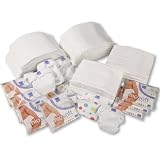
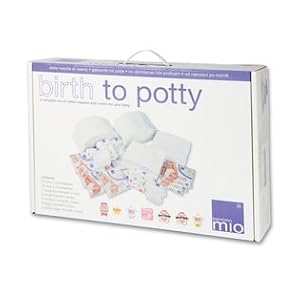
I actually will probably come in significantly under that $800 range since I scored on my set. I bought the Bambino Mio birth to potty kit. Normally selling for $499, I got the entire kit for $249 as a close out from a local retailer. As is, it contained all of the diapers I'd need to diaper baby from birth to potty. I'll likely pick up some more nappys and liners to avoid doing laundry every two days and hopefully stretch it to 3 or 4 days between washings, but even with that it's a substantial savings and they are cute as hell!


So those are my initial thoughts/suggestions for having a Green Baby and Saving some Green during/after pregnancy.

Enjoy!
And...hopefully we'll meet Baby Grasso soon...

Thursday, March 25, 2010

A great man died today...

A great man died today. A man I not only owe my life to (literally), but a man who taught me so many things about the world and who helped me become the person I am today. You won't find him in the history books and beyond those who were lucky enough (and I truly mean LUCKY enough) to have actually met him and spent time with him, many won't realize how tragic of a loss the world has experienced.

My Grandfather George Lee Buck, who was more commonly known as Jack, Dad, Grandpa, or Pappy to those around him passed away after close to a decade of fighting cancer and infections. As strong and humbly as he dealt with those battles, it's many of the other battles in life that I'll remember him most for. It's all the lessons he taught me, ever so patiently in his calm and quiet manner that will go on in this world. It's the values and skills that he taught me that have made me the person I am today and that I will hopefully be able to pass onto another generation who will go out and make an impact in this world.

You see, my Grandma was the epitome of a hard working American. One of the good ole' guys who didn't expect the world to give him anything for free, who knew that to earn and get anything you had to go out and work for it - and not just work for it, but work HARD for it. He had the scars, calluses, and other marks to prove it. He fought in World War II and later went on to become the farmer that I remember him to be. I'm sure there are many other things he did in his life that I know nothing about, but these are the things I remember most about him.

From a very young age I loved to spend time with Grandpa. The summers I got to spend at my grandparents house were wonderful and are some of my dearest memories. Even the sweet, sweet smell of Grandpa - it's some combination of soap, aftershave, sweat, grease, oil, and nature. He woke up with the sun and was always working. He worked with his hands and worked hard. You could almost always find him in the garage covered with sweat from head to toe working on something. As busy as he was, he was always willing to show you how to do something or to let you help - and sometimes even happy enough to walk away and share in life's simplest treasures such as catching roly polys or crawdads - and on very special occasions partaking in our tea parties of Grandma's wonderful sweet tea, Orville redenbocker popcorn (that I never could get to taste as good as it does when my Grandma makes it), and cheddar cheese on the car port.

Grandpa, being from the military followed a specific schedule. Breakfast was nice and early - I can't remember the exact time at this point in my life since it's been so long it seems now, but if I recall correctly it was around 7:30 or so. As a child I was a morning person, so I'd wake up to enjoy breakfast with Grandpa. Oh how I valued that time. Sitting at the bar in the kitchen drinking carnation instant breakfast with a twinkie. At least that's how it was most of time. Every now and then we'd have eggs or something else and Welch's grape juice. I remember once Grandpa cooked and made SOS - Shit on Shingles he called it (holy moly I think my Grandfather actually used a curse word once that I know of!). He learned how to make it in the military he said. I think Grandma had an early appointment or something that day and I was lucky enough to be there at that moment to experience Grandpa's cooking. To this day I don't think I've ever had something like biscuits and gravy that tasted so good. And I don't think I've ever seen (or heard of) Grandpa cook ever again.

Lunch, or dinner as he called it, was always served promptly at noon - except on Saturdays when it might stretch to 12:30 or 1. Lunch was another special thing around the house. It was always beans on an alternating schedule - butter beans (Lima beans) one week and then brown (pinto) beans the next - or at least as long as they lasted during the week. We'd have them with bread, cheese, and sometimes summer sausage. Again, Saturdays were special since the beans were usually gone by then and we'd get pizza or something else depending on what Grandpa felt like. After lunch, there was always a nice home made pie - and I mean home made - from scratch. Grandma is a great cook and Grandpa always let her and everyone else know that. She also spoiled us all and usually had two pies or at least a pie and another option and she tried to make your favorite. I always loved pecan pie. Grandpa just liked pie, although I'm pretty sure besides Mississippi mud pie that he got on his birthday that apple or cherry were his favorites. We'd eat dinner and watch the news. I have those recipes that my Grandma sent me. They aren't as good as when she makes it and will never taste as good as they did eating them with Grandpa, but at least I'll always come close to this when I make it.

If we were lucky, after lunch Grandpa would read the paper and read us the funnies. He'd take a short nap usually and then if we were REALLY lucky, he'd have gotten enough done in the morning that we could go out and have some real fun. It might be driving to one of the pastures to check on the cows, going fishing, visiting a friend, or running errands - It didn't really matter what we were doing, just that we were doing it with Grandpa. It seemed like my Grandpa knew everyone and everyone knew him. And everyone loved him it seemed. I don't recall ever seeing my Grandpa in a quarrel with anyone or anything for that matter. One year when I was in fourth or fifth grade I had a project for school I was working on during Christmas break and Grandpa spent the entire afternoon helping me build a semi truck from scratch. We got a Colgate tooth paste long rectangle box and a small Tylenol box. He helped me glue them together to make the cab and trailer. Then he helped me fiberglass resin it so they were nice and sturdy. Then we painted it. Then, he helped me make axles and wheels so my truck would move out of a maple tree limb and random parts he had around the garage. It took us all afternoon and it was the coolest thing I recall ever making. I remember going back to class and being the only person who actually made it from scratch - a lot of other kids didn't even have one and no one else's was home made and actually moved - my darn truck rolled and everything! I'm pretty sure I still have that truck at my mom's house somewhere - with as much resin as it has on it it might survive a nuclear attack. That reminds me that I need to find that somewhere...

Dinner (well, supper as he called it since lunch was dinner) was always around 5:30. And there was always gravy - Grandpa ate gravy on everything - even spaghetti! And I'm not talking red sauce as 'gravy' as the Italians up here in Rhode Island call it, I'm talking creamy gravy. So there'd be pasta with red sauce and meatballs and he'd put good ole' cream gravy on top. Grandpa would drink his sweet tea and enjoy his food. After supper we'd have pie or some other treat again and Grandpa would again lay on the couch and watch the news.

After supper was the best time. Grandpa always had time for fun then. Whether it was playing cards, checkers (we even had a Chinese checkers board), going fishing, etc. it didn't matter because it was fun because Grandpa was there and his smile lit up the world. He had the type of smile that warmed up a room. Very wide and contagious. You couldn't help but feel like everything else in the world was perfect and okay after seeing that smile. Nothing could go wrong or be wrong in its presence. And his laugh - I kind of wish I had a recording of it now because I can almost hear it in my mind, but just not quite. It's been a while since I heard his real laugh as it just wasn't the same after the cancer wore him down. Such a wonderful, heart warming laugh.

Grandpa taught me how to drive. And not just drive, but to drive a manual. He parked me in the bottom of the big dip in the drive to the pond where we used to always have our family reunions and got his fishing pole and tackle box out of the back and walked. He said when I could get out of that dip both forward and backward and come and pick him up I'd be good to go. I can't remember how long it took me to get that little Mitsubishi pick up out of that dip, but I did and he was right - I was good to go.

Grandpa is the reason I went to school for marketing. He'd take the time to look at my writing and my drawings and would ask me what I wanted to do in life. I told him I wasn't sure....he said I should look into marketing...and I did...and he was right...I like it. I always wanted to make him proud and I hope I did.

Grandpa never lost his patience and he had a great way of teaching you all of life's important lessons without lecturing or talking down to you. I learned the value of hard work, morality, truthfulness, loyalty, care, nurturing, and so much more from him. I learned about working with my hands and working with the soil and animals. You see, Grandpa never coddled me because I was a girl - he let me help and taught me about things. It's why I'm not afraid of worms and bugs. And it's why I know a lot of what I know today and why I'm not afraid to try and do things with my hands or even try try and do things at all - I'm not afraid of failing you see. Failure is just a chance to learn and to try harder to get it done.

Selfishly, I really wish that my daughter would have had a chance to meet him and learn from him like I did - or at least know how great of a man he was. But I think I knew it wouldn't happen as sick as he's been lately and the more rational part of me is glad that his suffering is over and he's in a happier place now where he can work as much as he wants without pain and without worrying about the weather outside. I was really hoping he would at least last until my baby was born so he could know her name and know that we are naming her partly after him.

I also wish I had more pictures of him - especially from the good times. You see, like me, Grandpa didn't like getting his picture taken so there aren't that many pictures of him that I know of. I have a few myself. I do have some of his military photos from the 50's and I have to say I can see why my Grandma fell in love with him. I don't like to look too much at the recent photos as that's not the way I want to remember Grandpa. I like to remember him from the good days when he was strong and happy. When he always had sunflower seeds in his pick up to snack on from when he quit smoking...yet another battle he won.

A great man died today. For the few who might read this, you probably won't think of this again after today. For me though, I wouldn't be here without this man - his blood flows through my veins (we share the same blood type ironically), the sparkle in his eye is also in my eye, and the orneriness that we shared - all of this will go on in me. I can only hope to pass this on in my daughter and hope that from time to time he can and will look down on us and smile that wonderful smile of his, knowing how wonderful of a job he did being a Grandpa and great man and knowing how much of an impact he had on our world.

Sunday, March 21, 2010

Yes to...Tomatoes?

I know, I know, that's one of the last things anyone ever thought they'd hear from my mouth right? Yes to Tomatoes?! Of all things, tomatoes? One of my arch-rivals in life? I've actually gotten a little better and enjoy cooked and sun dried tomatoes. I still consider raw tomatoes my nemesis, but I'm making progress.

Anyway, as much as I enjoyed the Kiss My Face products, my skin didn't seem to love them. It was always red and starting to break out like crazy. I admit, it could be the pregnancy hormones, but I was ready to try something else.

So last time I was out and about at Target (I know, I know, I do shop a lot at Target, but they are convenient and actually carry a lot of eco-friendly products) I scanned the eco-friendly beauty aisle for something new to try and stumbled onto the Yes to line by Yes to Carrots: http://www.yestocarrots.com/

They have several different product lines:
Yes to Carrots - For Normal to Dry Skin
Yes to Tomatoes - For Oily/Combination Skin
Yes to Cucumbers - For Normal to Sensitive Skin
See http://www.yestocarrots.com/?CategoryID=163 for complete details on each product.

Being that I was having issues with Oily/Combo skin, I decided to try to the Tomatoes line based on the description: combines red organic fruits and vegetables and dead sea minerals.

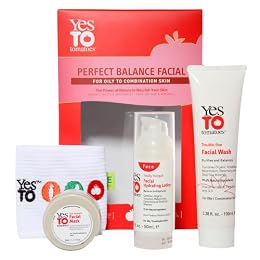
I opted to try the starter kit which was $19.99 and included face lotion, cleanser, and a face mask:
I've been using the products for a little over a week and I've already noticed a nice difference. A lot of my break outs have cleared up and my skin feels much better. It was a little red for a few days, but then again, it was red before using, so it could be the healing. None of the ingredients I've seen to avoid are in here and there are lots of organic ingredients. It has a nice, appealing scent. I especially like the cleanser. The face lotion might not be moisturizing enough for me, although I need to give it more time to determine that for sure. I like the mask as well.
So, here's another green beauty product you can try if you are looking to switch. And, I now have another reason to like tomatoes a little more...

~Amber

Foam Soap

One of the only DIY Green Cleaning items I've started doing myself is making my own foaming hand soap. Before I realized how many chemicals were in the typical foaming soaps, I used to love and stock up on the Bath and Body Works anti-bacterial foaming soaps. I loved them! Convenient, nice scents, and leaves your hands feeling good.

What I didn't realize however, was that a lot of those chemicals weren't good for me or my septic system. Upon learning that, I inquired around for a better alternative and was given a recipe that has worked wonders, saves us a ton of money, and no one besides me is the wiser. I actually prefer this home made version now.

So, what do you need? It's so simple, I promise you that truly ANYONE can do it.

- A soap dispenser
- Water - regular ole tap water is fine, that's what I use
- Liquid Castile Soap


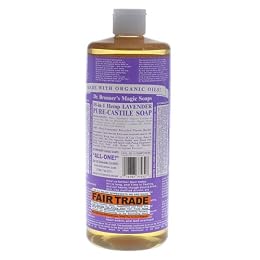
I use Dr. Bonner's soap. I bought the large 32 ounce Lavender scent. In hindsight, I'm not the biggest lavender fan, so I should have bought another scent or unscented and found my own essential oil. You can buy Dr. Bonners in unscented, lavender, peppermint, almond, and eucalyptus. And, lucky for me and hopefully you, it's conveniently available at Target. I paid around $12.99 for the 32 ounce bottle. I was previously paying $3.99 or so per bottle of the Bath & Body soaps, so after 4 bottles, I'm saving money and believe me, I've already made it there.


Here's what it looks like - In my Target, it's right near the Burt's Bees and other natural cosmetic products.


How do you make it?


- 1 part Castile soap
- 9 parts water


Open your foam soap dispenser, pour in one part castile soap and 9 parts water. It doesn't have to be exact - I eye ball it and it's come out fine every time. Put in the soap first, then add in the water slowly, letting the water drain down the side of the dispenser kind of like pouring beer to minimize foam. Leave a little room at the top and seal the dispenser. Roll around gently (no need to shake, I simply flip it up and down slowly a couple times) just to get it to mix. And you are ready to go!
It's that simple and you'll find that you're quickly saving money. There are also tons of other uses for the Castile soap, but I haven't ventured there yet. I've made what seems like dozens of bottles of soap already and hardly made a dent in my Dr. Bonner's...So it could literally last me forever. If not, I'll eventually buy the unscented and make my own scents, but until then, I'll continue using the lavender and love my soap (and the extra money in my pocket)!
Until next time
~Amber

Sunday, March 7, 2010

The wonder of cloth napkins and dish towels....

As another foray into going green, I've been trying to reduce the amount of paper products we use in the house. I'm not game to going toilet paper free like some folks, but I have reduced my TP usage. However, paper towels and napkins was one area I felt like I could make a huge dent.

So, I hung up towels in the kitchens and bathrooms to use when drying hands and for wiping small spills, etc. That helped quite a bit and Joe didn't seem to mind a bit. I actually find that the towels are better at drying anyway and don't dry out or hurt my hands. Then, when I do laundry each week, I throw them in with the wash. No harm no foul and all is good.

Cloth napkins was my next step to using less paper products. I picked up some at Job Lot - three packs of four for a grand total cost of $6 - yep, cost me $2 per pack of 4. I took a long time figuring out what style to get - I didn't want something that was really nice looking so people wouldn't want to use them and I didn't want something plain and white so stains would show. I ended up with a cotton/poly blend mocha color that works nicely. I definitely could have easily made some out of spare rags or old clothes, but I kind of wanted some nicer looking ones. I put them in the napkin holder next to the paper towels. Joe took a little while longer to adapt to this one and he continued to grab paper towels (instead of napkins since I ran out and didn't buy more) to use as paper towels. It helps when I hand him one with his meals, and he'll use it fine, but still seems to grab for the paper first. I'll win him over yet eventually.

However, the strangest thing happens when other people come over to the house. Friends, family, whoever. If you give them a cloth napkin with their meal it's like they are afraid to use them and spoil them or something. We put them out with Christmas dinner and so few people actually used their napkins. Then we had friends over the other night and had pizza and they kept asking if it was okay to use the napkins and then when dinner was done what they should do with them - I think someone even asked if they should throw them away. I kept saying, it's fine, just leave them there and I'll put them in the wash. They were all concerned about the grease stains and I kept saying it was fine.

So strange that we have this stigma with cloth napkins and products that are easy substitutions for paper products. You go to a fancy restaurant and they have cloth napkins there? So why not use normal cloth napkins at home? Enjoy the 'luxury' of it - and while you're at it, save the earth a few trees at a time!

Tuesday, March 2, 2010

Green Beauty Article

So I found a great article on Green Cosmetics that includes a Dirty Dozen Chemicals to avoid and wanted to share. I found it on a new awesome Green site I plan to thoroughly search and use to share lots of info (http://www.thegreenguide.com/).


In the meantime, enjoy:


The Dirty Dozen Chemicals in Cosmetics
by Catherine Zandonella
September 18, 2007


Beauty is only skin deep, but the products we use to attain it contain chemicals that may penetrate far deeper. The average adult uses nine personal care products a day, with roughly 120 chemicals spread among them, many of which are incompletely tested for toxicity.
Below we've listed 12 chemicals that are best avoided. A single exposure to any of them is unlikely to cause harm, but daily exposure over a lifetime may add up. When shopping, be prepared to spend some time reading labels; even brands that advertise themselves as "natural" or "botanical" have been known to include some of these.


1. Antibacterials - Overuse of antibacterials can prevent them from effectively fighting disease-causing germs like E. coli and Salmonella enterica. Triclosan, widely used in soaps, toothpastes and deodorants, has been detected in breast milk, and one recent study found that it interferes with testosterone activity in cells. Numerous studies have found that washing with regular soap and warm water is just as effective at killing germs.


2. Coal Tar - Coal tar is a known human carcinogen used as an active ingredient in dandruff shampoos and anti-itch creams. Coal-tar-based dyes such as FD&C Blue 1, used in toothpastes, and FD&C Green 3, used in mouthwash, have been found to be carcinogenic in animal studies when injected under skin.


3. Diethanolamine (DEA) - DEA is a possible hormone disruptor, has shown limited evidence of carcinogenicity and depletes the body of choline needed for fetal brain development. DEA can also show up as a contaminant in products containing related chemicals, such as cocamide DEA.


4. 1,4-Dioxane - 1,4-Dioxane is a known animal carcinogen and a possible human carcinogen that can appear as a contaminant in products containing sodium laureth sulfate and ingredients that include the terms "PEG," "-xynol," "ceteareth," "oleth" and most other ethoxylated "eth" ingredients. The FDA monitors products for the contaminant but has not yet recommended an exposure limit. Manufacturers can remove dioxane through a process called vacuum stripping, but a small amount usually remains. A 2007 survey by the Campaign for Safe Cosmetics found that most children's bath products contain 10 parts per million or less, but an earlier 2001 survey by the FDA found levels in excess of 85 parts per million.


5. Formaldehyde - Formaldehyde has a long list of adverse health effects, including immune-system toxicity, respiratory irritation and cancer in humans. Yet it still turns up in baby bath soap, nail polish, eyelash adhesive and hair dyes as a contaminant or break-down product of diazolidinyl urea, imidazolidinyl urea and quaternium compounds.


6. Fragrance - The catchall term "fragrance" may mask phthalates, which act as endocrine disruptors and may cause obesity and reproductive and developmental harm. Avoid phthalates by selecting essential-oil fragrances instead.


7. Lead and Mercury - Neurotoxic lead may appear in products as a naturally occurring contaminant of hydrated silica, one of the ingredients in toothpaste, and lead acetate is found in some brands of men's hair dye. Brain-damaging mercury, found in the preservative thimerosol, is used in some mascaras.


8. Nanoparticles - Tiny nanoparticles, which may penetrate the skin and damage brain cells, are appearing in an increasing number of cosmetics and sunscreens. Most problematic are zinc oxide and titanium dioxide nanoparticles, used in sunscreens to make them transparent. When possible, look for sunscreens containing particles of these ingredients larger than 100 nanometers. You'll most likely need to call companies to confirm sizes, but a few manufacturers have started advertising their lack of nanoparticle-sized ingredients on labels.


9. Parabens(methyl-, ethyl-, propyl-, butyl-, isobutyl-) - Parabens, which have weak estrogenic effects, are common preservatives that appear in a wide array of toiletries. A study found that butyl paraben damaged sperm formation in the testes of mice, and a relative, sodium methylparaben, is banned in cosmetics by the E.U. Parabens break down in the body into p-hydroxybenzoic acid, which has estrogenic activity in human breast-cancer cell cultures.


10. Petroleum Distillates - Possible human carcinogens, petroleum distillates are prohibited or restricted for use in cosmetics in the E.U. but are found in several U.S. brands of mascara, foot-odor powder and other products. Look out for the terms "petroleum" or "liquid paraffin."


11. P-Phenylenediamine - Commonly found in hair dyes, this chemical can damage the nervous system, cause lung irritation and cause severe allergic reactions. It's also listed as 1,4-Benzenediamine; p-Phenyldiamine and 4-Phenylenediamine.


12. Hydroquinone - Found in skin lighteners and facial moisturizers, hydroquinone is neurotoxic and allergenic, and there's limited evidence that it may cause cancer in lab animals. It may also appear as an impurity not listed on ingredients labels.


What You Can Do
-Complain to your drugstore when you see unhealthy ingredients in their consumer products. They may be unaware.
-Visit www.safecosmetics.org/companies to find companies that have signed the Compact for Safe Cosmetics, a pledge to remove chemicals linked to cancer, birth defects and other health problems.
-Take action in support of your right to buy safe personal care products at www.safecosmetics.org/action.


Resources:
Campaign for Safe Cosmetics: http://www.safecosmetics.org/
Skin Deep: http://www.cosmeticdatabase.com/
National Library of Medicine's Household Products Database: http://www.householdproducts.nlm.nih.gov/

Saturday, February 27, 2010

Green Eggs & Ham (aka Green Eating)

So instead of writing about more ecofriendly cosmetics next, I figured I'd take my first trip into the land of more ecofriendly eating habits and share what I know and have learned so far. This has been a more challenging area for me to fully commit to and even though a lot of fellow 'greenies' tend to recommend this as one of the first things to do when becoming more earth-conscious, it's definitely been a struggle for me. On the good side, there's a whole spectrum of choices you can make to green your eating habits and even the smallest of steps is a big step in the right direction.

The steps basically result in smaller carbon foot prints or lower chemical impact. What's so bad about the chemicals you ask? Well, the chemicals can have an affect on the environment in many ways as we hear about every day on the news. In addition to that though, chemicals even in small doses have been found to cause lasting damage to human health, especially during fetal development and early childhood development. So now we all know why this has become increasingly important to me.
  • Eat more locally produced/grown and in season foods -Depending on where you live, this could be extremely easy or somewhat challenging. Even if you live in a less temperate area, there is still probably at least a short growing season. Eating foods that are grown locally and in season is very earth friendly. It saves foods from otherwise having to be packaged, preserved, and shipped all across the world. This means a much smaller carbon footprint and very likely that the foods have much fewer chemicals on the food that could leach into the environment or into your body. This includes fruits, veggies, and meats.

    Not only is this better for the environment, but it could also save you some money. These foods and you'll likely find that these foods taste better. These are likely the same foods you'll see on weekly special in the produce section of your grocery store during the growing season. In many areas of the US this includes squashes, green beans, tomatoes, corn, peppers, strawberries, apples, okra, eggplant and other similar produce items during the summer and parts of the fall. Because these products are in abundance during their in season time, they'll be on sale and will likely taste the freshest. With the increased popularity of farmers markets and CSAs you can likely find a farm in your area where you can support your local economy and likely find farmers that practice sustainable farming practices that results in better standards for the environment and better tasting food. I'll talk more about CSAs at another point, but these are definitely a great option to look into.

  • Organic Foods - Organic foods have specific standards and practices that must be followed for items to be classified as organic. These products are grown sustainably and don't have harmful pesticides and chemicals on them. They also are not genetically modified and if you ever had produce straight from a garden and remember the taste of it, you'll likely recognize organic produce as having that familiar very wonderful and aromatic taste that a lot of your regular veggies don't have. With that said, many times you'll find that organic veggies and fruits are more expensive than your conventional produce. This is because the organic certification costs farmers money to obtain and the sustainable and ecofriendly processes they follow tend to be more costly to maintain.

    With that said, there are two options I'd recommend following if you are like me and don't have an unlimited food shopping budget. Consider locally grown produce and talk to the farmers. Many of them grow their products using organic methods, but haven't obtained certification due to the cost of doing so. Therefore you are getting local, organic products (which is essentially the best of both worlds for you and our environment) without the higher cost associated with it.

    If you aren't fortunate enough to have local farms near you or their hours of operation don't match up with your schedule, consider buying organic produce for only the top 'dirty dozen' products first and the clean 15 last. See http://www.foodnews.org/walletguide.php for a handy wallet guide you can print out.

    Basically, the top most pesticide ridden products (meaning the most chemicals are used during the growing process and/or the chemicals are absorbed more into the produce) are in order: 1) Peaches 2) Apples 3) Bell Peppers 4) Celery 5) Nectarine 6) Strawberries 7) Cherries 8) Kale 9) Lettuce 10) Imported Grapes 11) Carrots 12) Pears. So if you enjoy these foods, buy these in organic as your first step towards eating Green. Also consider growing these yourself if you can in a sustainable manner. I started growing strawberries last year and I can't even begin to tell you how wonderful they tasted - they actually tasted like I remember strawberries from my childhood garden tasting and I remembered why I enjoyed them so much. I also want to grow my own apples and peaches, but for now I've been buying them from a local farm that practices sustainable growing methods. If you grow them yourself or talk to the farmers who do grow them, you can know exactly what pesticides and chemicals are on your products.

    The top 15 clean products (meaning that fewer chemicals are used and the chemicals leach into them the least during the growing process) that you should switch to organic last are in order: 1) Onion 2) Avocado 3) Sweet Corn 4) Pineapple 5) Mango 6) Asparagus 7) Sweet Peas 8) Kiwi 9) Cabbage 10) Eggplant 11) Papaya 12) Watermelon 13) Broccoli 14) Tomato and 15) Sweet Potato.
  • Eat less processed food. When grocery shopping, this means staying on the perimeters of the store. When you look at boxed and packaged goods, the more items you can't pronounce the worse it is for you typically. I was amazed to find out the canned goods I'd been eating for so long were actually not very good for me. The cans are lined with BPA - yep the same stuff that was in the plastic scares - to prevent rusting. Plus most of them have a lot of salt and other chemicals in them. Simply switching to frozen or glass jarred versions of your canned goods is a great way to eat better for yourself and your family.

    This one is a more difficult one for me because while I can easily make some of the boxed goods without processed materials (such as home made mac n cheese) it's way more convenient and quicker to fix from a box. Especially after working 8-10 hour days and when you aren't feeling good (like being 9 months pregnant for instance) fixing something a box is much easier and can be much cheaper than shredding cheese, boiling pasta, making sauce, etc. So do what you can here, but keep in mind it's better for you and your family to avoid these foods as much as possible.

So that's my advice for taking the first few steps towards eating healthier. If you are lucky, you'll have a Whole Foods or Trader Joe's near you so you can buy more ecofriendly and healthy versions of these foods without having to worry much. Unfortunately for me, I don't have any very close by, so I'm frequently left having to make the best choices with the resources I have.

As I learn more and have more time, I'll go more in depth into other options you can take as you evolve further into your new found green and crunchy lifestyle.

~Amber

Thursday, February 18, 2010

Green Dishwashing Update

So ironically, as a follow up to my post the other day, a fellow Green blogger posted the following the other day regarding a new dishwasher detergent that apparently works miracles:
http://theecofriendlyfamily.blogspot.com/2010/02/dishwasher-leaving-you-cloudy.html

She's also doing a give away as part of this. I'm so hoping to win a sample myself so I can give this product a try and see for myself, but I'm encouraging you to give it a shot as well.

Good luck & happy Green washing!

Monday, February 8, 2010

Green Beauty

So I thought as my next topic, I'd discuss a topic that's dear to me that I'm still learning more about and evolving as I go. Eco-friendly cosmetics and personal care products are an area where I think we would all benefit by switching to some healthier products for us.

First off, here are some of the common 'bad' ingredients found in your every day cosmetics:
  • Parabens - These are the second most common ingredients in skin care products, second only to water. It is used as an inexpensive preservative even though they may cause skin rashes and other allergic reactions. Besides those side effects, parabens have been shown in studies to possess mild estrogen-like qualities. Parabens have been linked to human breast cancer tumors, endocrine disruption, organ system toxicity, and are found to possess estrogen-like qualities which mimic female hormones. They are found in baby preparation products, cleansers, deodorants, eye-products, lotions and moisturizers, make up, nail products, hair products, and sunscreens. The good news is that there is a gradual phase out of these preservatives starting to occur in the natural skin care industry. While preservatives are essential, there are alternatives that are all natural and nontoxic that are out there that work just as well.
  • Phthalates - Used as solvents in many cosmetics, they are also used as plastic softeners in many different consumer products (sure you want this on your face and intimate areas?). They are found in hair sprays, deodorants, nail polishes, and perfumes. Phthalates can be absorbed through the skin or inhaled and have been shown to damage the liver, kidneys, lungs, and reproductive systems in studies. They've been linked with reproductive issues and high phthalate levels in mother's bodies have been linked to developmental abnormalities in male infants. They were banned in European products in 2003, but have yet to be banned in the US or Canada.

Lots of fun right? Well, the solution isn't as easy as seeking out products labeled natural or organic. If a product claims it's "All Natural" or "100% Natural" it may not be. Look for information of the perfect of natural ingredients. Also, make sure you read the labels and look for some of the unhealthy ingredients I've listed here. Of course there are others out there, but I could dedicate an entire wikipedia site to listing all the harmful chemicals out there, but these give you some top offenders most commonly found.

So if you are scared out of your mind or even mildly intrigued at this point, what can you do you might ask? Well, again we are lucky that there are quite a few companies out there that have dedicated themselves to making more natural and chemical free options for educated consumers out there. Here are a few of the ones I've tried and had good experiences with. There are definitely many others out there. Feel free to check out http://www.cosmeticsdatabase.com/ for a nice rating of cosmetics.

Burt's Bees - They've become my 'go to' eco-friendly personal products company. I like them because they have clear, easy to read labels and do not include any of these chemicals I've mentioned. Plus, they don't test on animals which is awesome. However, many folks take offense to the fact that Clorox now owns them. I'm fine with them as long as they continue to stay true to their roots and we don't see these bad chemicals start creeping in - so continue looking at these labels. My favorite products of theirs are the baby products, shampoo and conditioner, chap sticks, and milk and honey lotion. I've heard mixed reviews of their facial care products - I liked them upon first using them, but to me they leave a little residue or at least the feeling of residue and it seemed to increase break outs on my skin. So I'm addicted to their pomegranate shampoos and conditions, pomegranate chap stick, and milk and honey lotion, but I've moved on to another set of facial lotion and cleansers. These are easy and convenient to find at your local Target or you can order them straight from the site - http://www.burtsbees.com/

Kiss My Face - Recommended by a vegan friend, I finally found a sampler set of face lotion and cleansers at Target. It has a nice, natural smell and made my skin feel so wonderful. I've only been using it for around two weeks, but I love how it makes my skin feel so far. I also tried some of the Kiss My Face bar soap which smelled nice as well. They also have other cosmetics, but I haven't made more dents into their product lines as Target doesn't have too many of their products yet. Looking into trying more. http://www.kissmyface.com/

Gudonya Too - This is a shop on Etsy that sells all natural cosmetic products. I tried her shampoo and conditioner and while I found it absolutely delicious smelling, it didn't work well on my hair type. I've seen a ton of people rave her products though, which is why I opted to include her shop here. She also has bar soap, shave bars, shaving cream, deodorant, and more. www.etsy.com/shop/gudonyatoo

Tom's of Maine - Lots of people like their products. I tried the toothpaste and wasn't really impressed, but then again it was during the morning sickness period of my pregnancy, so I probably should try it again. They also have deodorant, mouthwash, floss, and soap. http://www.tomsofmaine.com/

A few other brands I've heard good things about are Aveda, Rejuva, and the Sephora all natural line. Just remember when looking for these products to check the labels!

~Amber

Saturday, February 6, 2010

Green Washing (aka Green Cleaning)

So as I made the decision in my life to become more green/eco-friendly, one of the first areas I sought to improve was cleaning. As I learned more about some of the harsh or strange chemicals that were in the cleaners we were using every day and what they were doing to our bodies or the environment, I thought this was a good area to improve upon in my life.

I do have to admit, there are some so-called "green" cleaners out there that while better than most of the stuff on the Wal-mart shelf, still aren't in any way shape or form good for the environment. It's kind of a slippery slope that doesn't seem to be all that highly regulated yet, but then again, what areas of commerce really are now a days?

So what are the chemicals commonly found in every day cleaners that concerned me you ask? I'd classify them into two groups: those that harm your body and those that harm the environment. I'm sure there could be blogs out there solely dedicated to describing all the bad chemicals out there and what they can do, so I'll just list a few that were my top concerns:

SLS and SLES - Sodium Lauryl Sulfate and Sodium Laureth Sulfate are commonly used in many soaps, shampoos, detergents, toothpastes and other products. They are essentially added as surfactants, which for those of us who don't know what that means are the things that make the cleaners sudsy and foam up - a sign many people look to an interpret to mean that the cleaners are actually working. Doesn't sound too bad yet right? Well, SLS is an irritant. Many people are actually allergic to it and this allergic reaction or irritation can present itself in many ways even as concentrations as low as 0.5%. Some of these 'irritations' include eye irritation, scalp irritation, tangled hair, swollen body parts, rashes, and puffiness. I remember reading on someones blog that their husband was losing his hair and switched to an SLS free shampoo only to find that his hair grew back - the SLS actually had caused his hair to fall out! SLES is considered the more dangerous of the two though. It cannot be metabolised by the live and therefore its effect are much longer-lasting. Some studies seem to indicate that this can lead to cancer since SLES is commonly contaminated with dioxane, a known carcinogen. So why are these chemicals in cleaners and other products you ask if them cause so much damage? Well, the answer is simple economics - it's cheap and works well at dissolving oils. Here's a good site to read more: http://www.natural-health-information-centre.com/sodium-lauryl-sulfate.html

Phosphates: Phosphates are another comment chemical found in cleaning products, especially dish detergents and laundry detergents. While phosphates are a naturally occurring substance, we've found that if too much of it gets into waterways, algae and other organisms feed on it and reproduce in massive numbers, causing algal blooms. Think red tides or cyanobacteria, a blue-green algae that can even kill humans if ingested in large amounts. These algae blooms block out sunlight and as a result kill off other species in the water.

Anti-bacterial Products - So many products out there are anti-bacterial now a days: Hand soap, detergents, wipes, tissues, etc. Sounds great right amidst the H1N1 scare this year and flu season? Especially as a mom-to-be, I thought I was doing a good thing by using my Lysol wipes and anti-bacterial soap. Then, the more thought you put into it you realize - I grew up in the 80's - we didn't have anti-bacterial anything and we were fine and healthy. Plus, there are lots and lots of 'good' bacteria out there that we need in order to digest food and survive. If we are using a ton of anti-bacterial products, how are these 'good' bacteria supposed to survive and help us? Then, think of septic systems which require bacteria to function properly. I learned that by using these anti-bacterial products, I was actually probably doing more damage than good. I was killing the 'good' bacteria in my septic system, killing the 'good' bacteria around the house that my family needs exposure to, and by killing or weakening the 'bad' bacteria, I was potentially creating a breeding ground for stronger, more resistant bacteria to develop. Hmmm, not sounding so great anymore huh?

So what does this mean for those of us out there who want clean homes? So what to do? We still need to do laundry and wash dishes and we don't want to be sick all the time. Well, depending on the type of person you are, you have a couple choices. You can decide to make your own cleaners the way our grandparents or great grandparents did successfully for years. Or, if you are like me and don't really have the time and patience to grate up castile soap for detergents and don't particularly care for the smell of vinegar, you can choose to buy products that are more eco-friendly and have taken all of these things into consideration. Luckily, being green is the new black (ha ha, I make myself laugh at my witty-ness sometimes) and there are a lot of products out there. There are also some products out there that have been green for far longer than the green movement has been out there.

Here are some of my favorites I've found so far:

Laundry Detergent: While it's weird to buy laundry detergent online, I'm in love with this detergent. Crunchy clean - http://www.crunchyclean.com/ You can customize your detergent by choosing the type and scent. I can't imagine switching back. I actually ordered some of her cloth diaper type to wash my baby clothes in. Crunchy clean doesn't contain SLS, SLES, or Phosphates. It works well in hard water, soft water, with normal machines, or high-efficiency machines. I definitely recommend giving it a try. I was very leery at first to switching to a powder after using a gel for so long, but I'm never going back. She also has other products such as carpet freshener/powder, linen spray, and a new oxy-clean type of product.

Unfortunately, even some of the commercial 'green' brands contain SLS. I was shocked and dismayed when I purchased Seventh Generation Baby Detergent to wash my baby clothes in since crunchy clean can take a week or two to come in and I'm impatient and wanted to get the baby clothes washed and put away. I washed all the baby's clothes only to find out that the product has SLS in it and almost gave myself an anxiety attack trying to determine if I should re-wash the clothes. TBD on that to be honest with you. 7th Gen is usually my go-to green brand, but they really disappointed here.

Soap: Instead of buying my favorite bath and body works foaming anti-bacterial soap, I found a cheap, quick, and easy way to make my own. Head to your local Target, go to the aisle with the Burt's Bees and other green cosmetics and pick up a bottle of Dr. Bonner's liquid castile soap. I got the lavender although next time I'll probably get unscented since I'm not a fan of lavender. Re-use your soap pumps or pick up a nice one and use a mixture of 1 part Dr. B's and 9 parts water to make a soap. Swish around gently and viola - foaming soap that works wonderfully but isn't antibacterial. I've switched all of it in my house and the family is non-the-wiser. It works just as well and smells nice. Now I don't have to worry about the 'good' bacteria in my septic tank being killed and people are still getting nice clean hands. Dr. B's also has probably a million other uses, but that's the only use I've had for them for now. I should probably look into other options with I have time, but for now, even time constrained me was able to make this at home soap.

Cleaners: Lots of folks will tell you to use vinegar and water solutions. Well, I tried it and Joe hated the smell and I wasn't really a big fan either. So I switched to Seventh Generation cleaning products. I love the all-purpose cleaner. No SLS here, so I'm good with it. It even cleans my hard to clean black stove top wonderfully. Plus, you can't beat the 'warning' on the back that says, "While not meant for consumption, if consumed, drink a glass of water." A far cry from the Clorox cleaners that say contact Poison Control - another added benefit of going green. Seventh Generation can be purchased at Target. However, if you are unlucky like me and don't have a Whole Foods very close by and your target doesn't carry their whole line, I couldn't get their bathroom cleaner. I chose the Method brand cleaner. Didn't seem as eco-friendly to me, but still was much better than your Scrubbing bubbles type of stuff and worked just as well. Did have that cleaner smell though to it which 7th Gen didn't.

Dishwasher Detergent: My commitment is still up for grabs here. I tried the 7th Gen powder and wasn't happy. I'm currently using both 7th Gen gel and Method tablets. I put white vinegar in the Jet Dry spot. They work okay, but honestly doesn't seem to be work as well as my good ole Cascade. I've been told the 7th Gen tabs work just as well as the Cascade packs, but I can't find them near me. Either way, I don't mind a slight drop in efficiency to know I'm making a better environmental footprint. If anyone has any better suggestions though, I'd love to hear them.

So that's my short story on cleaners for now. Next time maybe I'll give you some information on cosmetics and personal type items so you can hear even more about the wonders of modern commercialism on our health, welfare, and environment.

New and Improved...

So after much thought and consideration, I've decided to delete all of my old blog entries to start fresh and new. The last year or so has been quite the whirlwind: I've become increasingly green and ecofriendly - might as well call me a granola eating hippy now, I'm 8 months pregnant expecting our first child - a little girl - which both scares me to death and makes me look forward to the future, and I've had the opportunity to do a lot of introspection to figure out who I am and what I stand for.

So, in light of that, I decided it would be a great opportunity to re-write my blog to contain the information that is now more relevant to me in hopes that I might actually write in it more (for the few people who might actually care) and to document and share the things I'm learning and experiencing.

So, I hope you enjoy the new GRASSO-isms blog!

~Amber